Concrete Work Done Right: Driveways, Patios, and Walkways That Last
Concrete construction plays a critical role in shaping durable and functional outdoor spaces. From residential driveways to commercial walkways and backyard patios, properly executed concrete work determines not only visual appeal but also long-term performance. In today’s construction landscape, demand for strong, weather-resistant, and low-maintenance surfaces continues to grow, making quality concrete work more important than ever. Poor installation practices often lead to cracking, uneven surfaces, drainage issues, and premature deterioration. On the other hand, well-planned and professionally executed concrete work ensures structural integrity, enhanced curb appeal, and long service life.
Understanding how driveways, patios, and walkways are built the right way helps property owners make informed decisions and avoid costly mistakes. From base preparation to finishing techniques, every stage influences the outcome. With the right approach, concrete surfaces can remain strong, functional, and visually appealing for decades, making them a reliable investment in both residential and commercial environments.
Strong Foundations: The Importance of Proper Site Preparation
Soil Evaluation and Ground Stability
Every durable concrete structure begins with careful soil evaluation and assessment of ground stability before construction. Weak, loose, or shifting soil can compromise long-term performance and lead to cracking or uneven settlement. A detailed geotechnical review ensures the correct preparation method is selected, providing a stable base that supports structural integrity and long-lasting durability for the slab.
Excavation and Grading Techniques
Excavation removes unstable topsoil and organic material to create a firm construction base suitable for concrete work. Proper grading ensures water flows away from the surface efficiently, reducing pooling and erosion risks beneath the slab. These steps work together to establish a level, well-drained foundation that improves structural reliability and prevents long-term damage caused by moisture accumulation or soil movement.
Compacted Sub-Base for Strength
A compacted layer of gravel or crushed stone provides essential structural support beneath concrete surfaces. Proper compaction increases load distribution and minimizes shifting over time. Without this critical step, even high-quality concrete may crack or settle prematurely due to unstable ground conditions, moisture intrusion, or uneven pressure transfer from vehicles, equipment, or environmental changes affecting the foundation system.
Material Quality and Mix Design for Long-Term Performance
Cement Mix Ratios and Strength Control
Concrete durability depends heavily on accurate mix ratios of cement, sand, and aggregate materials. Proper proportioning ensures optimal compressive strength and resistance to cracking under heavy loads. Incorrect mixing can weaken structural performance, reduce lifespan, and increase maintenance needs. A well-balanced mix provides consistent curing, improved durability, and long-term structural stability for all types of concrete applications.
Reinforcement for Structural Integrity
Steel reinforcement, including rebar or wire mesh, significantly enhances concrete load bearing capacity and structural strength. It helps distribute weight evenly across the slab, reducing stress concentrations that cause cracks. This reinforcement is especially important for driveways and heavy-use surfaces, ensuring long-term durability, improved stability, and resistance to deformation under continuous vehicle pressure and environmental stress conditions.
Additives and Weather Resistance
Modern concrete mixes often include chemical additives that improve performance, curing speed, and resistance to environmental damage. These enhancements help concrete withstand freeze-thaw cycles, moisture exposure, and temperature fluctuations. Additives also improve workability and long-term durability, making the material more suitable for diverse climates while extending the lifespan and reducing maintenance requirements for outdoor concrete structures.
Driveways Built for Heavy Use and Longevity
Load-Bearing Design Considerations
Driveways must be engineered to withstand repeated vehicle loads without surface deformation or structural failure. Proper thickness, strong base preparation, and reinforcement all contribute to long-term performance. These design factors work together to distribute weight evenly, prevent cracking, and ensure the driveway remains stable, durable, and functional even under continuous heavy traffic and changing environmental conditions over time.
Expansion Joints and Crack Prevention
Expansion joints are strategically installed to allow controlled concrete movement caused by temperature changes and ground shifting. These joints reduce internal stress buildup, preventing random cracking across the surface. Proper placement ensures long-term durability, structural stability, and reduced maintenance needs by guiding natural movement safely within designed areas rather than allowing uncontrolled damage throughout the entire concrete structure.
Surface Finishing Options
Surface finishing techniques such as broom texture, stamped patterns, or exposed aggregate improve both appearance and functionality. These finishes enhance traction, reduce slipping hazards, and add decorative value to concrete surfaces. Each option serves specific performance and aesthetic purposes, allowing customization based on usage needs, environmental conditions, and desired visual appeal while maintaining structural strength and long-term durability.
Drainage Integration for Protection
Proper drainage design is essential for preventing water accumulation on concrete surfaces. Sloped grading ensures rainwater flows away efficiently, reducing risks of erosion, weakening, and surface deterioration. Effective drainage protects structural integrity, extends lifespan, and minimizes maintenance requirements by preventing standing water, which can penetrate cracks, freeze in cold conditions, and gradually damage the concrete foundation over time.
Patios Designed for Comfort and Aesthetic Value
Layout Planning and Space Optimization
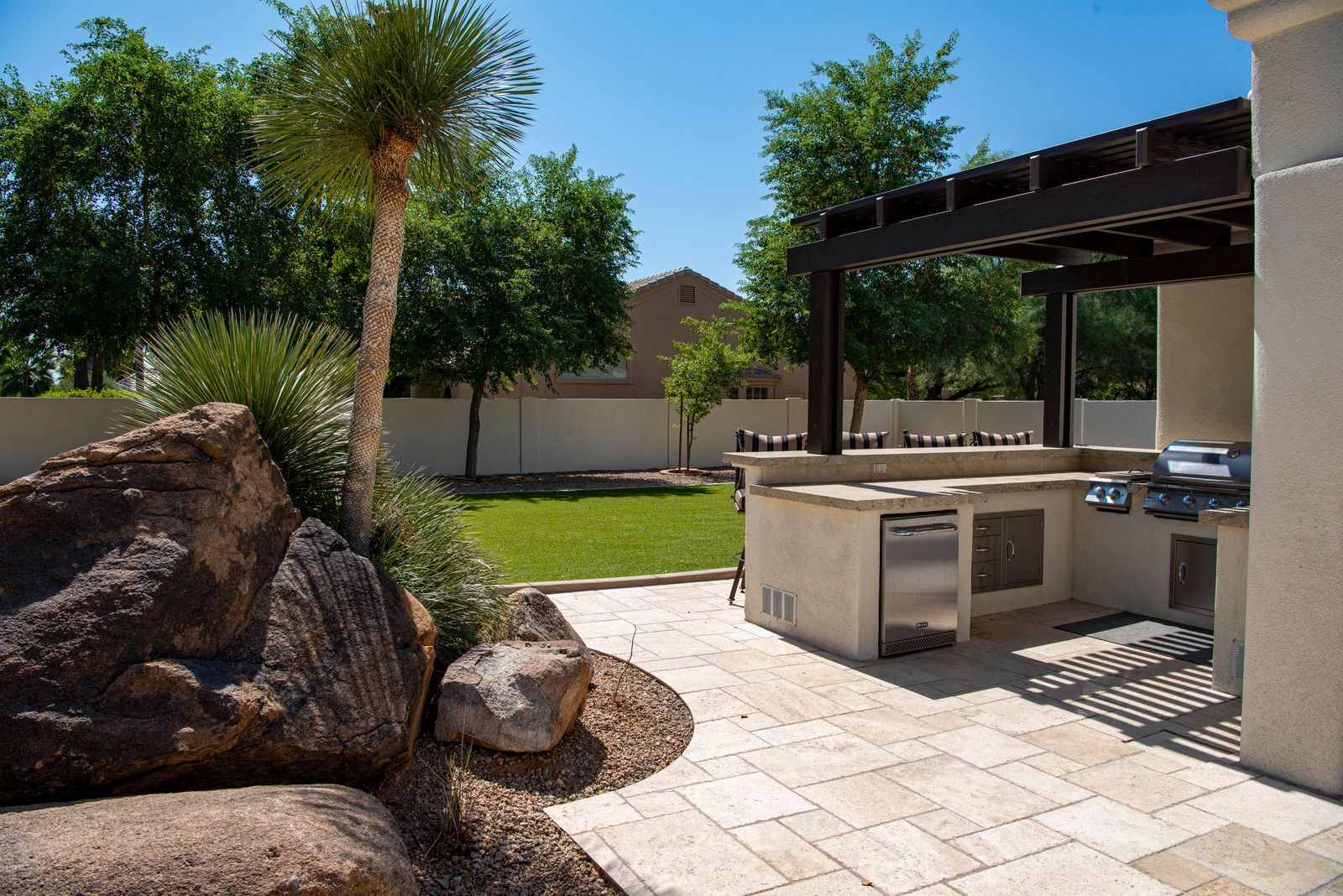
Patio design begins with careful layout planning to ensure optimal use of available outdoor space. Functional zones such as seating, dining, and recreation are thoughtfully arranged for convenience and flow. Proper planning enhances usability, improves comfort, and creates a balanced environment that seamlessly connects outdoor living areas with surrounding landscape features and architectural elements for long-term enjoyment.
Decorative Finishes and Textures
Decorative concrete finishes such as staining, stamping, and polishing enhance visual appeal while maintaining structural strength. These techniques allow homeowners to achieve customized designs that replicate natural stone, tile, or other materials. Decorative textures add character, improve surface aesthetics, and provide long-lasting durability, making patios both visually attractive and functionally resilient under regular outdoor exposure and use.
Weather Protection and Surface Sealing
Applying protective sealants helps safeguard concrete patios from moisture penetration, UV exposure, and staining caused by environmental elements. Sealing enhances durability, preserves color, and reduces surface wear over time. Regular maintenance sealing extends the lifespan of the patio while maintaining its appearance, ensuring long-term resistance against weather-related damage and keeping the surface strong and visually appealing.
Comfort-Oriented Design Choices
Comfort-focused patio design includes smooth edges, proper leveling, and heat-conscious material selection to enhance usability. These features improve safety, reduce tripping hazards, and create a more enjoyable outdoor environment. Thoughtful design ensures the patio remains comfortable for walking, seating, and gathering, transforming it into a functional extension of indoor living spaces suitable for everyday use.
Walkways That Balance Safety and Functionality
Pathway Layout and Flow Design
Walkway design focuses on creating clear, intuitive pathways that guide movement efficiently across a property. Proper alignment ensures easy access between key areas such as entrances, gardens, and driveways. Well-planned layouts improve usability, enhance landscape structure, and contribute to a cohesive outdoor environment that supports both functionality and visual harmony throughout residential or commercial spaces effectively.
Slip Resistance and Safety Features
Safety is a primary consideration in walkway construction, especially in areas exposed to rain or moisture. Textured concrete finishes increase traction and reduce the risk of slipping accidents. These safety features ensure stable footing, improve user confidence, and provide reliable performance in various weather conditions, making walkways safer for pedestrians of all ages throughout the entire year consistently.
Edge Restraints and Structural Stability
Strong edge restraints are essential for maintaining walkway shape and preventing lateral movement over time. These structural supports keep materials securely in place, reducing shifting caused by soil movement or heavy use. Proper edging enhances durability, preserves alignment, and ensures long-term stability, allowing walkways to maintain their intended form and performance even under frequent foot traffic pressure.
Maintenance Practices for Extended Lifespan
Routine Cleaning and Surface Care
Regular cleaning is essential for preserving concrete surfaces and preventing the buildup of dirt, oil, and organic debris. These contaminants can gradually weaken the surface and reduce its visual appeal. Routine maintenance helps maintain cleanliness, prevents staining, and ensures the concrete remains strong, durable, and visually consistent while extending its overall functional lifespan through simple and consistent care practices.
Crack Monitoring and Early Repairs
Monitoring concrete surfaces for early signs of cracking is crucial for long-term durability. Small cracks can expand over time if left untreated, leading to more significant structural damage. Timely repairs help prevent deterioration, maintain surface integrity, and reduce costly restoration needs, ensuring the concrete remains stable, functional, and visually intact throughout its intended service life efficiently.
Seasonal Protection Strategies
Concrete surfaces are exposed to environmental stress such as freeze-thaw cycles, heavy rainfall, and heat variations. Seasonal protection strategies help minimize damage caused by these conditions. Applying protective treatments and performing routine inspections before seasonal changes ensures structural stability, reduces surface wear, and extends the lifespan of concrete installations in varying climatic conditions throughout the year effectively.
Trusted Construction Professionals Ensuring Superior Concrete Finish
Quality concrete work depends on careful planning, correct material selection, and precise execution at every stage. From foundation preparation to finishing techniques, each step plays a direct role in the strength and durability of driveways, patios, and walkways. Proper drainage, reinforcement, and maintenance further enhance performance and help prevent common issues such as cracking or surface wear. Well-built concrete surfaces provide long-term value by combining functionality with visual appeal.
In Overland Park, Kansas, KC Deck and Fence
bring 8
years of hands-on experience in delivering high-quality outdoor construction solutions focused on strength, precision, and long-term reliability. Our approach emphasizes careful planning, skilled execution, and durable results that meet both functional and aesthetic expectations. We prioritize structural integrity and client-focused service, ensuring every project reflects consistent quality and dependable performance across driveways, patios, and walkways.